Have you ever felt mentally exhausted after a stressful week and wished you could spend some quiet time focusing on yourself? With increasing interest in meditation, mindfulness, and holistic wellness, many people are exploring traditional relaxation practices such as Reiki.
But what is Reiki healing, how does it work, and what should you expect if you have never experienced it before?
Reiki is a Japanese energy-based practice in which a practitioner places their hands lightly on or just above the body. It is traditionally based on the belief that energy can be directed to support balance and well-being. People often try Reiki as a calming experience, although its proposed energy mechanism has not been scientifically established.
At Tarot Mitra, we introduce individuals to traditional spiritual and holistic wellness practices, including Reiki healing. Whether you are curious about energy healing or planning your first consultation, understanding the process can help you approach the experience with realistic expectations.
This guide explains how Reiki is traditionally practiced, what happens during a session, its potential benefits, and important safety considerations for beginners.
What Is Reiki Healing and Where Did It Originate?
Reiki is a Japanese healing tradition associated with Mikao Usui, who developed the Usui Reiki system in Japan during the early twentieth century.
The word Reiki is commonly explained through two Japanese concepts:
- Rei: Often interpreted within Reiki traditions as universal or spiritual.
- Ki: A term associated with life energy in traditional Japanese thought.
Reiki practitioners traditionally believe that working with this energy encourages harmony and supports the body's natural healing processes.
However, these beliefs should be distinguished from scientifically established medical mechanisms.
According to the National Center for Complementary and Integrative Health (NCCIH), Reiki involves placing the hands lightly on or above a person. The energy field proposed by Reiki theory has not been scientifically demonstrated, and research has not clearly established Reiki as an effective treatment for health conditions.
Today, Reiki is commonly offered in wellness centres, spiritual practices, and complementary therapy settings.
How Does Reiki Healing Work?
To understand how Reiki healing works, it helps to distinguish the traditional explanation from the physical experience of a session.
In Reiki philosophy, practitioners believe that life energy flows through living beings and that imbalances in this energy can affect well-being.
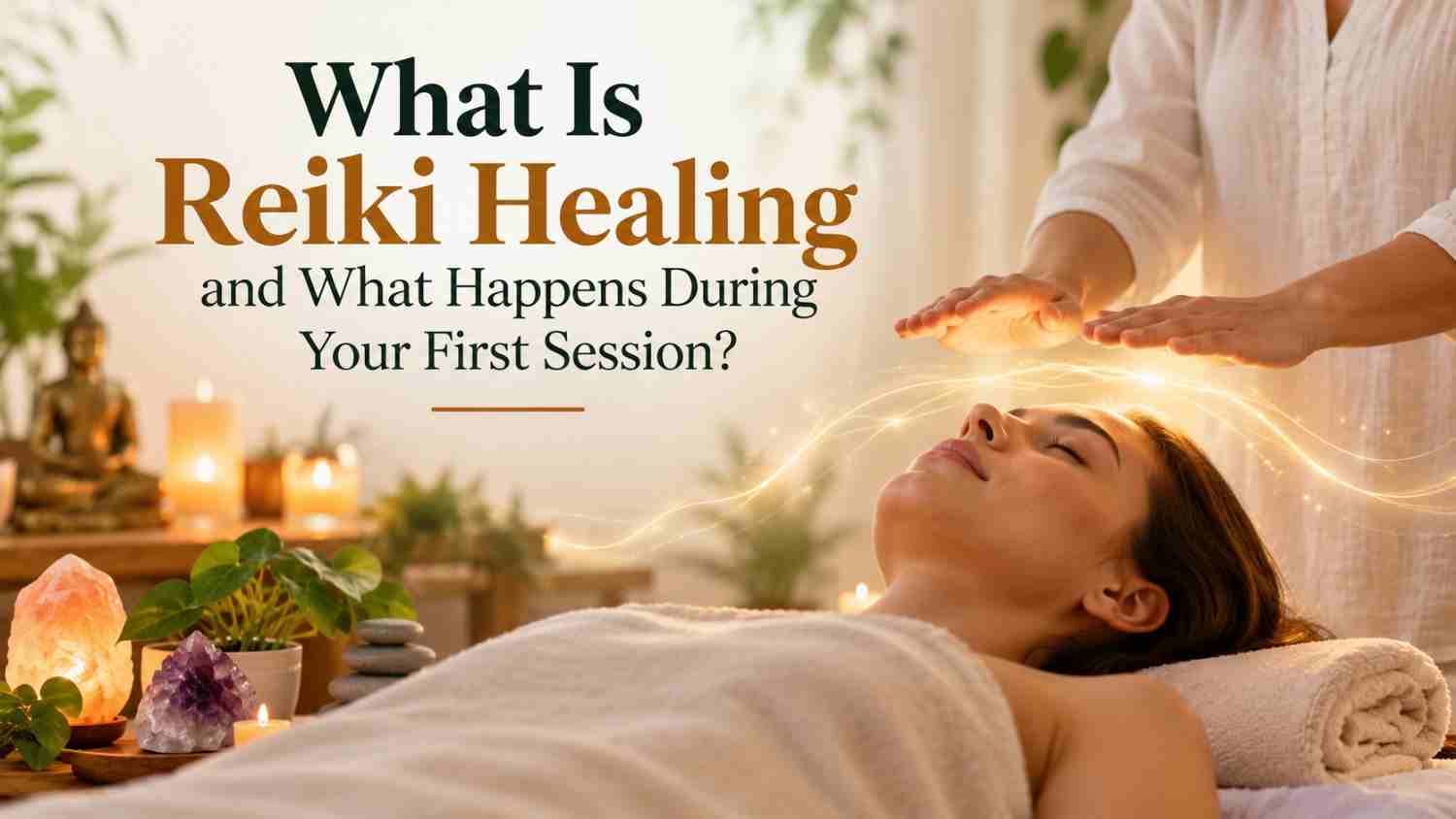
During a session, the practitioner uses a series of hand positions near the head, shoulders, torso, arms, and other areas of the body.
Some practitioners place their hands gently on the body with permission, while others keep their hands slightly above it.
The recipient usually rests quietly throughout the session.
Although practitioners describe the process as energy balancing, there is no reliable scientific evidence that Reiki transfers a measurable healing energy.
The quiet environment, comfortable positioning, and opportunity to rest may nevertheless make the experience relaxing for some participants.
What Happens During Your First Reiki Healing Session?
If you are new to Reiki, you may wonder what actually happens during an appointment.
A typical Reiki healing session involves a short discussion, a period of quiet relaxation, and an opportunity to discuss your experience afterward.
The exact process varies depending on the practitioner, but many sessions follow these general steps.
1. Initial Discussion With the Reiki Practitioner
Before beginning, the practitioner may ask why you are interested in Reiki and what you hope to experience.
You might be seeking relaxation, exploring a spiritual practice, or simply trying something new.
This is also a suitable time to discuss your comfort level with physical contact and ask questions about the session.
You should never feel pressured to disclose sensitive information or agree to any procedure that makes you uncomfortable.
2. Preparing for the Session
During an in-person Reiki session, you will generally be invited to lie comfortably on a treatment table or sit in a chair.
Unlike massage therapy, Reiki does not usually require you to remove your clothing.
Some practitioners provide soft music or subdued lighting to create a peaceful atmosphere.
Comfort is important, so you can request adjustments to your position, lighting, or the surrounding environment.
3. Gentle Hand Placement or Hands-Off Techniques
The practitioner begins using a sequence of hand positions, either lightly touching certain areas or keeping their hands a short distance above your body.
In traditional Reiki practice, these positions are associated with different aspects of energy balance.
However, they should not be interpreted as medical treatments for specific organs or conditions.
The practitioner may remain in each position for several minutes before moving to another area.
4. Relaxation During the Reiki Session
During the session, you may feel calm, sleepy, or simply aware of the quiet environment.
Some people report warmth, tingling, or other sensations, while others notice no particular physical feeling.
These experiences vary from person to person and do not establish that energy has been transferred or that a medical condition has changed.
There is no requirement to experience a particular sensation for the session to be meaningful to you.
5. Discussion After the Session
After the practitioner finishes, you may be given a few moments to sit up and return to your usual routine.
Some practitioners invite you to discuss your experience, ask questions, or reflect on how you felt during the session.
A responsible practitioner should avoid making medical diagnoses or claiming that your experience proves an underlying health problem has been resolved.
What Are the Potential Benefits of Reiki Healing?
People often explore Reiki because they are interested in relaxation, emotional reflection, and holistic wellness.
However, it is important to separate personally reported experiences from scientifically demonstrated health benefits.
Can Reiki Help You Feel More Relaxed?
Relaxation is one of the most commonly reported reasons people attend Reiki sessions.
Spending time in a quiet environment without everyday distractions may help some individuals feel calmer.
The experience can provide an opportunity to rest and focus on the present moment.
However, this does not establish that Reiki has a specific therapeutic effect beyond the relaxation experience itself.
Does Reiki Healing Reduce Stress and Anxiety?
Some people report feeling less stressed after Reiki sessions, and researchers have explored Reiki for anxiety and other concerns.
Nevertheless, existing studies have important limitations, and the findings are not sufficiently consistent to establish Reiki as an effective treatment for anxiety disorders.
According to the NCCIH's overview of Reiki research, studies on its health effects have generally been limited in quality or have produced inconsistent results.
If stress or anxiety is affecting your sleep, work, relationships, or daily functioning, seek support from a qualified healthcare or mental health professional.
Can Reiki Support Mindfulness and Self-Reflection?
A Reiki appointment may offer a structured period of quiet reflection.
Some individuals find that stepping away from daily responsibilities helps them recognize emotions, identify personal priorities, or appreciate a moment of stillness.
These experiences can be personally valuable, even though they do not demonstrate Reiki's proposed energy mechanism.
People interested in other reflective spiritual practices can also explore tarot card reading services at Tarot Mitra.
Can Reiki Healing Help With Physical Pain?
Reiki is sometimes promoted as an approach for managing physical discomfort.
However, the evidence is not strong enough to determine whether Reiki provides a reliable treatment benefit for pain.
The NCCIH's guidance on complementary approaches for chronic pain explains that there is insufficient high-quality research to evaluate Reiki's effectiveness for pain relief.
Reiki should therefore not be used to diagnose, prevent, or treat medical conditions or replace prescribed medication, physiotherapy, or other appropriate medical care.
If you experience persistent pain, a qualified healthcare professional can help identify possible causes and recommend evidence-based treatment options.
How Long Does a Reiki Healing Session Usually Last?
A Reiki appointment often lasts approximately 30 to 60 minutes, although some sessions may be shorter or longer.
The duration depends on the practitioner, the type of appointment, and whether time is included for an introductory discussion.
For your first session, it is useful to ask:
- How long will the appointment last?
- Will the session include an initial consultation?
- Will the practitioner use touch or hands-off techniques?
- Can the session be stopped at any time?
- What is the total consultation fee?
These questions can help you understand the process before making a booking.
How Should You Prepare for Your First Reiki Session?
If you are exploring Reiki for beginners, preparation is generally simple.
Wear Comfortable Clothing
Choose clothes that allow you to lie down or sit comfortably for the duration of the appointment.
Loose-fitting everyday clothing is usually sufficient.
Arrive With Realistic Expectations
Some people feel deeply relaxed during Reiki, while others experience very little noticeable change.
A session should not come with promises of instant healing, guaranteed emotional transformation, or medical recovery.
Discuss Your Comfort and Boundaries
Let the practitioner know if you prefer not to be touched or if particular positions are uncomfortable.
You should be able to request a pause or stop the session whenever necessary.
Share Relevant Medical Concerns When Appropriate
If you have an injury, limited mobility, chronic illness, or another concern that may affect your comfort, discuss any necessary accommodations.
If you are receiving medical treatment, continue following your healthcare provider's advice.
What Is the Difference Between Reiki Healing and Meditation?
Reiki and meditation may both involve quiet surroundings, relaxation, and focused attention, but they are different practices.
Reiki usually involves a practitioner performing a series of hand positions based on traditional energy-healing beliefs.
Meditation generally involves an individual deliberately focusing attention, observing thoughts, or practicing awareness.
Some meditation methods use guided instructions, while others emphasize breathing or present-moment awareness.
Unlike Reiki's proposed energy-transfer mechanism, certain forms of meditation and mindfulness have been studied more extensively for specific health and wellness outcomes.
Readers interested in complementary relaxation practices can explore the NCCIH's information on meditation and mindfulness.
What Is the Difference Between Reiki and Chakra Healing?
Reiki and chakra healing are sometimes discussed together in spiritual wellness settings, but their traditional frameworks are not identical.
Reiki developed in Japan and involves practices associated with spiritual or life energy.
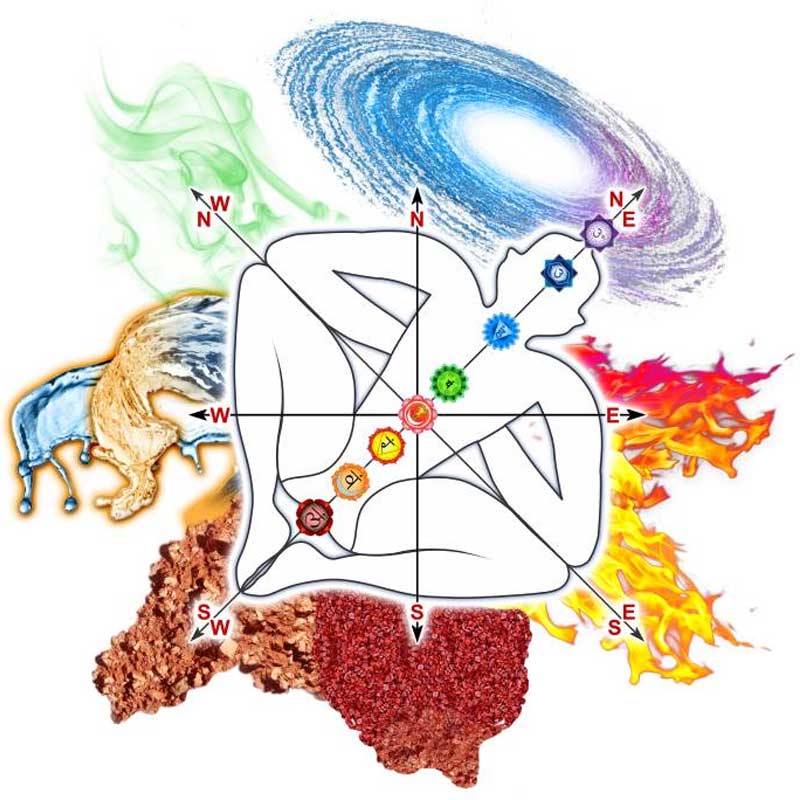
Chakra-based systems have roots in Indian spiritual traditions and describe energy centres traditionally associated with different aspects of human experience.
Some modern Reiki practitioners incorporate chakra concepts into their sessions, although chakra work is not required in every Reiki tradition.
Neither the proposed Reiki energy field nor the physical existence of chakras as described in spiritual energy systems has been scientifically established.
Is Reiki Healing Safe for Beginners?
Reiki generally involves no invasive procedures, medication, or intense physical manipulation.
The NCCIH reports that Reiki has not been shown to have harmful effects, although research into the practice remains limited.
The most important concern is avoiding the use of an unproven practice as a replacement for necessary medical care.
When choosing a Reiki practitioner, consider the following precautions:
- Choose someone who explains the process clearly.
- Confirm that physical contact is optional and requires your consent.
- Avoid practitioners who guarantee cures for serious illnesses.
- Do not discontinue prescribed medication based on Reiki advice.
- Seek medical attention for symptoms that require professional evaluation.
For further guidance, read the NCCIH's advice on considering complementary health approaches.
Can Reiki Healing Be Performed Online or From a Distance?
Some Reiki practitioners offer distance Reiki sessions, in which the practitioner and recipient are not physically present in the same location.
Within Reiki traditions, this practice is based on the belief that healing energy can be directed without physical proximity.
However, there is no reliable scientific evidence demonstrating that healing energy can be transmitted remotely through this process.
An online session may still provide an opportunity for relaxation or personal reflection, depending on the format and the individual's preferences.
Before booking a distance session, ask the practitioner what the appointment involves, how communication will take place, and what you should reasonably expect.
How Many Reiki Sessions Do You Need?
There is no scientifically established number of Reiki sessions required to produce a health benefit.
Some individuals attend a single session out of curiosity, while others choose occasional appointments as part of their personal wellness routines.
The frequency is generally based on personal preference, availability, and cost.
Be cautious of claims that you must purchase a particular number of sessions to remove negative energy, cure illness, or prevent future health problems.
If you are dealing with a medical or psychological condition, follow a treatment plan developed with an appropriately qualified professional.
How Do You Choose the Right Reiki Healing Practitioner?
Selecting the right practitioner can help make your first Reiki experience more comfortable.
Before booking, learn about the practitioner's training, approach, consultation process, and fees.
A responsible practitioner should explain what Reiki involves without guaranteeing medical outcomes.
Consider asking these questions:
- What Reiki training have you completed?
- What happens during a typical session?
- Do you offer hands-off sessions?
- What is the duration and cost of an appointment?
- How do you protect client privacy?
- What happens if I feel uncomfortable during the session?
If you are interested in exploring Reiki healing in Delhi, Tarot Mitra provides information about Reiki and other traditional spiritual wellness services.
You can review the available offerings and contact the team to ask about session formats, practitioner availability, and booking information.
Frequently Asked Questions About Reiki Healing
What Does Reiki Healing Feel Like?
Experiences vary. Some people feel relaxed, warm, or sleepy, while others notice no particular sensations. These feelings do not establish that a healing energy has been transferred.
Do You Have to Remove Your Clothes During Reiki?
No. Reiki sessions are generally performed while the recipient remains fully clothed, either lying on a treatment table or sitting in a chair.
Can Anyone Try Reiki Healing?
Many people can participate in a gentle Reiki session, but it is important to consider personal comfort and any relevant health needs. People with medical concerns should consult their healthcare providers when appropriate.
Is Reiki Healing a Religious Practice?
Reiki has spiritual and cultural roots, but it is not necessarily associated with membership in a particular religion. Different practitioners may incorporate different spiritual beliefs into their approach.
Can Reiki Cure Anxiety or Depression?
No reliable evidence establishes Reiki as a cure for anxiety, depression, or other mental health conditions. People experiencing these conditions should seek appropriate professional care.
Can Reiki Healing Be Done Without Touching the Body?
Yes. Many practitioners offer hands-off Reiki sessions in which their hands remain slightly above the recipient's body.
Is One Reiki Session Enough?
There is no established minimum number of Reiki sessions. Someone interested in the experience can choose to attend once without committing to additional appointments.
What Should I Avoid After a Reiki Session?
There are no scientifically established post-Reiki restrictions. You can generally return to normal activities unless you have another health-related reason to follow specific medical advice.
Final Thoughts
Understanding what Reiki healing is and what happens during a session can help you decide whether the practice interests you.
Reiki is a traditional Japanese energy-based practice that many people explore for relaxation, spiritual reflection, or personal wellness. A typical session involves gentle hand positions, a calm environment, and an opportunity to rest.
Although some participants describe positive personal experiences, scientific research has not clearly demonstrated that Reiki effectively treats health conditions or that its proposed healing energy exists.
Approaching Reiki with curiosity, realistic expectations, and respect for evidence-based healthcare can help you make an informed decision.
If you are interested in traditional wellness and spiritual guidance, explore the Reiki healing and other services available through Tarot Mitra to learn more about the practice and inquire about a consultation.