Have you ever wondered whether the direction of your main entrance, the position of your bed, or the arrangement of your kitchen matters according to Vastu Shastra? Many homeowners follow traditional Vastu principles when designing, renovating, or decorating their living spaces.
However, some common Vastu mistakes for home can go unnoticed, especially when people focus more on furniture and decoration than on room placement, natural lighting, and spatial arrangement.
Vastu Shastra is a traditional Indian system of architecture that connects building orientation, spatial planning, and the five natural elements with ideas of harmony and balance. Although its spiritual claims are not scientifically established, many people appreciate its cultural significance and incorporate selected principles into their homes.
At Tarot Mitra, we help people explore traditional spiritual practices, including Vastu Shastra, astrology, and other forms of guidance.
In this guide, we will discuss 12 frequently mentioned Vastu mistakes, their traditional interpretations, and practical ways to improve your home's arrangement without unnecessary renovations.
What Is Vastu Shastra and Why Is It Important for Your Home?
Vastu Shastra is a traditional Indian approach to architecture and spatial design that considers building orientation, directions, room placement, and the relationship between living spaces and natural elements.
The word "Vastu" broadly refers to a dwelling or built environment, while "Shastra" refers to an organized body of knowledge or principles.
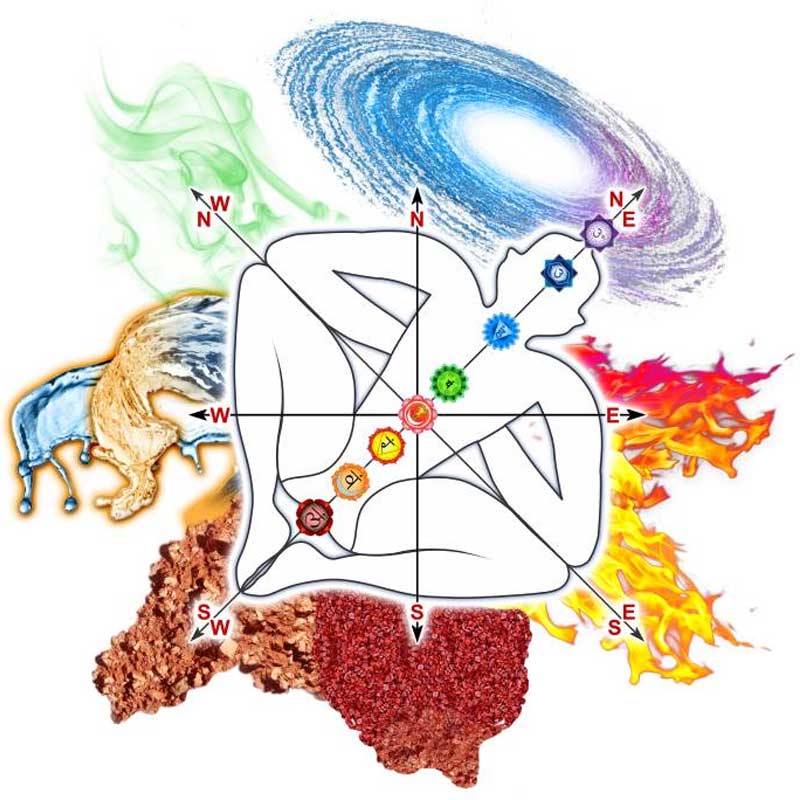
Traditional Vastu systems are often associated with five elements:
- Earth (Prithvi): Traditionally associated with stability and grounding.
- Water (Jal): Symbolically connected with flow and adaptability.
- Fire (Agni): Associated with energy and transformation.
- Air (Vayu): Connected with movement and circulation.
- Space (Akash): Associated with openness and balance.
According to traditional Vastu beliefs, arranging different parts of a home with these elements in mind may encourage a sense of harmony.
For further background, readers can explore traditional Vastu Shastra principles related to building orientation.
It is important to remember that Vastu is a cultural and architectural tradition, not a scientifically validated method of predicting health, wealth, or personal success.
What Are the Most Common Vastu Mistakes for Home?
Many traditional Vastu recommendations focus on the main entrance, bedroom, kitchen, bathrooms, furniture arrangement, and the central area of the home.
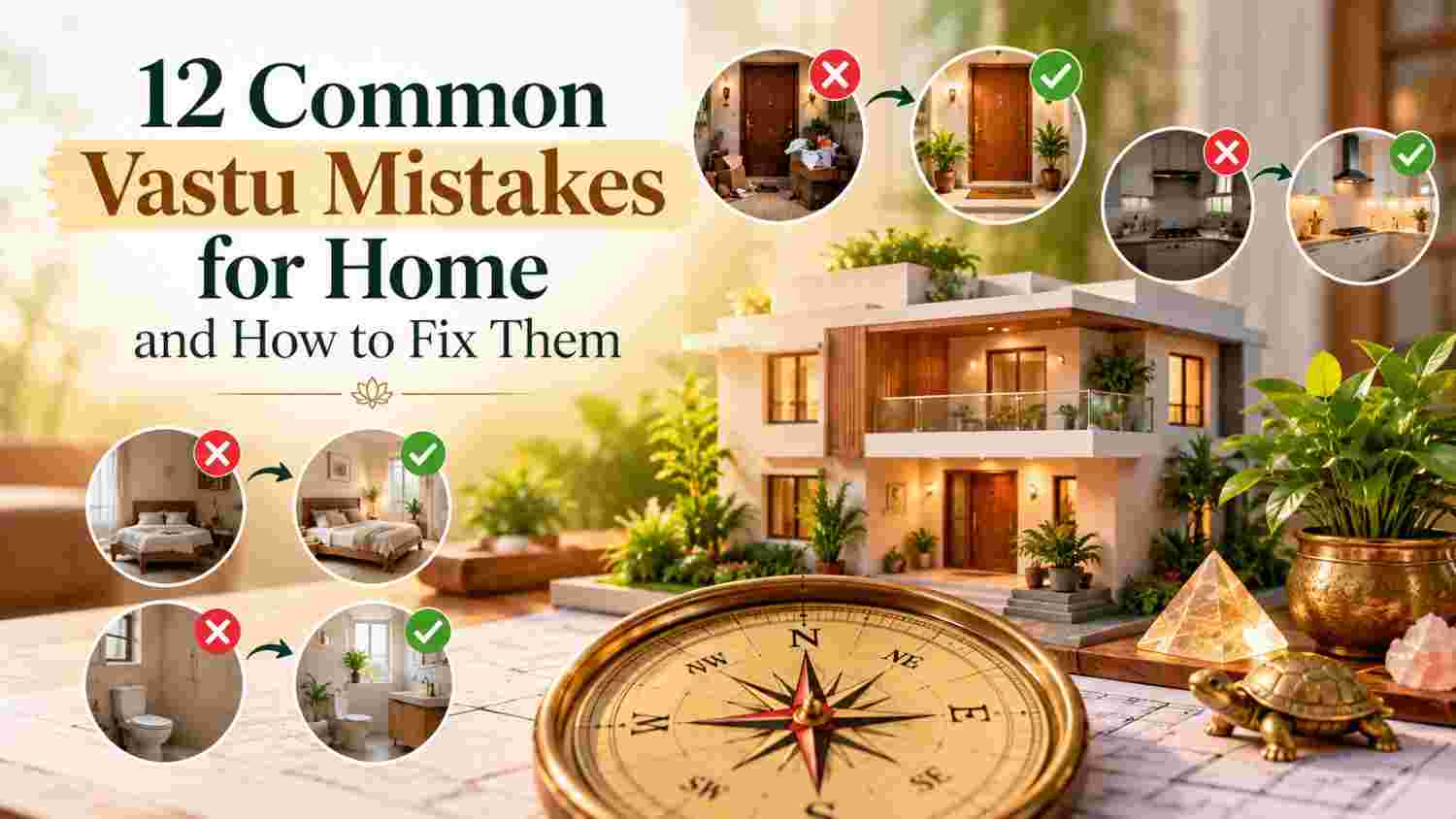
Here are 12 Vastu mistakes to avoid if you want to arrange your home according to traditional Vastu principles.
1. Ignoring the Direction of the Main Entrance
The main entrance is considered an important part of residential Vastu because it connects the home with its external surroundings.
Some traditional schools of Vastu consider north- and east-facing entrances favorable. However, the complete layout and precise entrance position are also considered important, and recommendations vary among practitioners.
Common Vastu mistake: Focusing only on the direction of the front door without considering the home's complete floor plan.
Practical Vastu tips for the main entrance:
- Keep the entrance clean and free from unnecessary clutter.
- Ensure the doorway is well-lit and easy to access.
- Repair broken locks, door handles, and hinges.
- Avoid blocking the entrance with unused furniture.
- Consider the complete floor plan before making structural changes.
A clean and accessible entrance is also beneficial from a practical perspective because it makes movement easier and creates a welcoming first impression.
2. Placing the Kitchen Without Considering Traditional Vastu Directions
In many Vastu traditions, the southeast part of a house is associated with the fire element and is therefore considered a preferred location for the kitchen.
Some practitioners also regard the northwest as an alternative when a southeast kitchen is not possible.
Common Vastu mistake: Assuming that a kitchen must be completely renovated simply because it is not located in a traditionally preferred direction.
Practical kitchen Vastu tips:
- Maintain appropriate ventilation around cooking areas.
- Keep the cooking space clean and organized.
- Avoid placing flammable materials close to the stove.
- Ensure kitchen appliances have adequate clearance.
- Consider traditional placement preferences only when they are compatible with safe kitchen design.
While directional recommendations come from Vastu beliefs, ventilation, cleanliness, and fire safety have practical importance regardless of kitchen direction.
3. Choosing the Wrong Bedroom Arrangement
The bedroom is a space for rest, privacy, and relaxation. Traditional Vastu commonly associates the southwest portion of a house with the master bedroom.
Some practitioners also recommend specific sleeping directions based on beliefs about balance and well-being.
Common Vastu mistake: Positioning furniture without considering comfort, accessibility, natural lighting, and personal preferences.
Bedroom Vastu tips:
- Keep the bed accessible and comfortably positioned.
- Avoid blocking windows or ventilation openings.
- Limit unnecessary clutter around the sleeping area.
- Use curtains or blinds to control external light.
- Choose a furniture arrangement that promotes comfort and safe movement.
Some Vastu traditions recommend sleeping with the head toward the south or east. However, there is no reliable scientific evidence that these directions independently improve sleep quality.
4. Ignoring Bathroom and Toilet Placement
Bathrooms and toilets are frequently discussed in residential Vastu because they involve water, drainage, and sanitation.
Some Vastu practitioners prefer northwest or western zones for bathrooms and discourage certain placements near the central or northeastern areas of a home.
Common Vastu mistake: Believing that an existing bathroom in a particular direction automatically causes illness, financial loss, or family problems.
Practical bathroom improvements:
- Maintain proper ventilation.
- Repair leaking taps and plumbing fixtures.
- Keep the bathroom dry and hygienic.
- Ensure drainage systems function correctly.
- Address dampness, water damage, and mold promptly.
These practical measures can improve cleanliness and reduce moisture-related problems regardless of the bathroom's direction.
5. Keeping Too Much Clutter in the Center of the Home
In Vastu Shastra, the central area of a building is traditionally known as the Brahmasthan.
This space is symbolically associated with openness and balance in several traditional Vastu systems.
Common Vastu mistake: Filling the central area with excessive furniture, unused household items, or unnecessary storage.
Simple Vastu remedies for home:
- Remove unnecessary items from frequently used spaces.
- Arrange furniture to maintain comfortable walking paths.
- Allow natural light to reach central areas where possible.
- Avoid overcrowding shared living spaces.
- Use storage solutions that keep everyday items organized.
Even without adopting the spiritual interpretation, reducing clutter can make a home easier to maintain and navigate.
6. Blocking Natural Light and Fresh Air
Traditional Vastu often emphasizes openness, sunlight, and the relationship between a building and its natural surroundings.
A home with poor ventilation and limited daylight may also feel uncomfortable for practical reasons.
Common Vastu mistake: Blocking windows with large furniture or ignoring the need for adequate airflow.
Practical improvements:
- Keep windows unobstructed where possible.
- Use suitable ventilation in kitchens and bathrooms.
- Choose window coverings that allow flexible light control.
- Avoid overcrowding rooms with oversized furniture.
- Maintain ventilation systems and exhaust fans regularly.
Unlike claims about invisible energy flow, adequate ventilation has established practical relevance to indoor air quality.
For evidence-based guidance, see the U.S. Environmental Protection Agency's information on indoor air quality.
7. Positioning Mirrors Without Considering the Room Layout
Mirrors are another common subject in Vastu consultations.
Different traditions offer different recommendations about mirror placement, including whether mirrors should face beds or specific directions.
Common Vastu mistake: Following rigid mirror-placement rules without considering visibility, comfort, and safety.
Practical mirror placement tips:
- Mount mirrors securely to prevent accidents.
- Consider how reflections affect privacy and comfort.
- Avoid placing mirrors where glare becomes distracting.
- Use mirrors to reflect available daylight when appropriate.
- Choose placements that complement the room's design.
There is no established scientific evidence that mirrors facing particular directions cause financial or relationship problems.
8. Placing Heavy Furniture in Inconvenient Areas
Traditional Vastu recommendations sometimes associate heavier furniture and storage with the southern or southwestern areas of a home.
These suggestions are connected with symbolic ideas of stability and grounding.
Common Vastu mistake: Moving heavy furniture solely to satisfy directional beliefs without considering structural safety or everyday functionality.
Practical furniture arrangement tips:
- Place heavy furniture on appropriate, stable surfaces.
- Secure tall cabinets and shelves against tipping.
- Maintain clear pathways throughout the house.
- Avoid blocking emergency exits.
- Choose arrangements that support comfortable daily use.
Safety and accessibility should always take priority over symbolic furniture-placement rules.
9. Neglecting the Pooja Room or Meditation Space
In many Indian households, a pooja room or designated prayer area is an important part of the home.
Traditional Vastu commonly identifies the northeast as a preferred area for prayer and meditation.
However, the available space and household traditions may influence where a prayer area is located.
Common Vastu mistake: Assuming that a home without a northeast-facing pooja room cannot support a peaceful spiritual practice.
Useful pooja room tips:
- Choose a clean and comfortable area for prayer.
- Keep religious items organized and respectfully maintained.
- Ensure candles and oil lamps are used safely.
- Avoid keeping flammable materials near open flames.
- Select a location that allows privacy and uninterrupted reflection.
A dedicated prayer space can be meaningful for cultural, religious, and personal reasons, regardless of its direction.
10. Ignoring the Placement of Your Home Office or Study Area
With more people studying and working from home, the arrangement of a home office or study area has become increasingly important.
Some Vastu traditions suggest that facing east or north while studying or working is favorable.
However, there is no reliable scientific evidence that desk orientation alone determines concentration, productivity, or career success.
Common Vastu mistake: Prioritizing desk direction while ignoring lighting, ergonomics, and distractions.
Practical home office improvements:
- Position your screen to minimize distracting glare.
- Use a chair that supports comfortable posture.
- Keep frequently used materials within easy reach.
- Ensure sufficient task lighting.
- Maintain an organized workspace.
For practical workstation guidance, you can review OSHA's computer workstation recommendations.
11. Using Vastu Remedies Without Understanding Their Purpose
Some homeowners purchase crystals, pyramids, mirrors, yantras, or other decorative objects marketed as Vastu remedies.
These products have traditional or symbolic associations within certain spiritual practices.
Common Vastu mistake: Assuming that purchasing a particular object can guarantee wealth, eliminate illnesses, or solve relationship problems.
Suggestions before choosing Vastu remedies:
- Understand the traditional meaning of the recommended object.
- Ask whether a structural change is actually necessary.
- Check the cost and practical usefulness of the recommendation.
- Avoid expensive purchases based on fear or guaranteed promises.
- Prioritize safe, functional improvements to the living space.
If you are interested in traditional Vastu products, you can explore Tarot Mitra's Vastu products information to learn about items used in these practices.
Remember that the claimed ability of such products to alter energy fields or guarantee life outcomes has not been scientifically established.
12. Making Major Structural Changes Without Professional Guidance
One of the most costly mistakes homeowners can make is renovating a house based solely on generalized Vastu recommendations.
For example, someone may believe they need to relocate a bathroom, demolish a wall, or reconstruct an entrance because it is considered unfavorable in a particular Vastu tradition.
However, structural modifications involve practical concerns that should not be overlooked.
Common Vastu mistake: Making expensive building changes without consulting qualified construction professionals.
Before renovating your home:
- Consult a qualified architect or structural engineer.
- Check whether the proposed work affects load-bearing walls.
- Review relevant building regulations and permissions.
- Consider plumbing, electrical, and ventilation requirements.
- Evaluate the cost and necessity of the proposed changes.
If you want to explore traditional Vastu interpretations, consider seeking advice that respects your home's existing structure and functional requirements.
Tarot Mitra offers Vastu Shastra consultation services, including guidance on traditional room arrangement and spatial planning.
How Can You Identify Common Vastu Dosh in Your Home?
In traditional Vastu terminology, a Vastu Dosh refers to an arrangement or feature considered inconsistent with a particular Vastu principle.
Practitioners may examine several aspects of a property, including:
- The orientation of the main entrance.
- The location of the kitchen and cooking area.
- The position of bedrooms and bathrooms.
- The arrangement of furniture and storage.
- The central area of the building.
- The amount of open space and natural light.
However, different Vastu traditions may interpret the same property differently.
There is no scientifically established diagnostic method for identifying a Vastu Dosh, and a perceived directional imbalance should not automatically be blamed for personal, financial, or medical difficulties.
For a traditional interpretation of an individual property, some homeowners choose to consult a practitioner who reviews the complete floor plan rather than relying on isolated online rules.
Can You Fix Vastu Mistakes Without Renovating Your Home?
Many homeowners worry that following Vastu Shastra for home requires expensive structural modifications.
However, numerous changes associated with Vastu-inspired organization can be made without altering the building itself.
For example, you may choose to:
- Keep the main entrance clean and well-lit.
- Rearrange furniture to improve movement.
- Remove unnecessary clutter from living spaces.
- Improve ventilation where possible.
- Repair plumbing leaks and damaged fixtures.
- Create an organized prayer or meditation area.
- Make better use of natural lighting.
These improvements can enhance everyday comfort and usability, even when a homeowner does not subscribe to Vastu's spiritual explanations.
Before making major changes, consider discussing your concerns with a qualified building professional and, if desired, a traditional Vastu consultant.
Which Direction Is Best for a House According to Vastu?
North- and east-facing homes are frequently described as favorable in some traditional Vastu systems.
However, many practitioners assess a home's suitability using more than its overall facing direction.
Other considerations may include the precise entrance location, surrounding roads, room arrangement, open spaces, and the overall floor plan.
A south- or west-facing house is not automatically unsuitable according to every Vastu tradition.
From a practical architectural perspective, suitable building orientation also depends on climate, sunlight, weather exposure, ventilation, and local site conditions.
You can read more about the historical treatment of directions in traditional Indian architectural texts concerning building orientation.
How Can You Make Your Home Feel More Positive and Peaceful?
Many people search for Vastu tips for positive energy at home because they want their living spaces to feel calm, comfortable, and welcoming.
Although positive energy in the spiritual sense is not a scientifically measurable feature of a room, the physical environment can influence everyday comfort.
Some practical improvements include:
- Maintaining clean and organized rooms.
- Allowing suitable amounts of daylight indoors.
- Improving ventilation and managing indoor moisture.
- Reducing distracting noise where practical.
- Choosing comfortable furniture arrangements.
- Creating space for relaxation, prayer, or meditation.
- Maintaining plants where lighting and care conditions are suitable.
These changes can make a home more pleasant without requiring costly renovations or promises of supernatural outcomes.
When Should You Consult a Vastu Shastra Expert?
Some homeowners prefer personalized guidance rather than following general Vastu recommendations found online.
A traditional Vastu consultation may be of interest when purchasing a new property, planning a renovation, setting up a home office, or exploring culturally meaningful ways to organize a living space.
Before booking, ask the consultant about their approach, experience, consultation fees, and the kind of recommendations they provide.
A useful consultation should acknowledge your budget, the existing building layout, and practical safety considerations.
At Tarot Mitra, visitors can learn more about traditional spiritual guidance and Vastu-related services.
Those seeking more information can also review the available Vastu consultant services to understand the types of traditional advice offered.
Frequently Asked Questions About Vastu Mistakes for Home
What Is the Most Common Vastu Mistake in a Home?
Commonly discussed mistakes include unfavorable entrance placement, kitchen or bedroom arrangements, cluttered central spaces, and bathroom positioning. The importance of each feature varies across different Vastu traditions.
Can Vastu Dosh Be Removed Without Demolition?
Many traditional Vastu consultants suggest non-structural changes, such as furniture rearrangement, improved organization, or symbolic remedies. However, there is no scientific evidence that these remedies eliminate a measurable harmful energy condition.
Which Direction Is Best for the Main Entrance?
North and east are often preferred in traditional Vastu recommendations, but different practitioners also consider the exact entrance location and complete floor plan. No entrance direction guarantees prosperity or happiness.
Is a South-Facing House Bad According to Vastu?
Not necessarily. Some Vastu traditions consider particular south-facing layouts acceptable. A house's practical suitability also depends on its design, location, structural quality, and environmental conditions.
Where Should the Master Bedroom Be Located According to Vastu?
Many Vastu traditions associate the southwest portion of a house with the master bedroom. However, bedroom comfort and functionality should take priority over unverified claims about direction-based health or relationship effects.
What Are Simple Vastu Remedies for a Rented House?
Common non-structural suggestions include decluttering, rearranging furniture, maintaining a clean entrance, improving lighting, and organizing a prayer space. These changes are practical options for renters who cannot modify the building.
Can Vastu Mistakes Cause Financial Problems?
There is no reliable scientific evidence that Vastu-related room placement or directional arrangements directly cause financial difficulties. Financial outcomes depend on factors such as income, expenditure, planning, opportunities, and economic conditions.
Is Vastu Shastra Scientifically Proven?
Vastu Shastra is a traditional architectural and cultural belief system. Some recommendations overlap with practical design considerations, but its claims about invisible energy, wealth, health, and fortune have not been scientifically established.
Final Thoughts
Understanding the common Vastu mistakes for home can help you explore traditional Indian approaches to spatial planning while making thoughtful decisions about your living environment.
From entrance organization and bedroom arrangements to kitchen ventilation and furniture placement, many Vastu-related discussions involve aspects of home design that can also be evaluated for practicality, safety, and comfort.
However, traditional directional beliefs should not be treated as guaranteed explanations for health, financial, or relationship outcomes.
Rather than making expensive renovations based on fear, start with simple improvements that make your home more functional, organized, and comfortable.
If you would like to explore traditional Vastu principles in greater detail, visit Tarot Mitra to learn about its Vastu guidance and spiritual consultation services.